


By Hiren Gohel, Specialised Hardwares
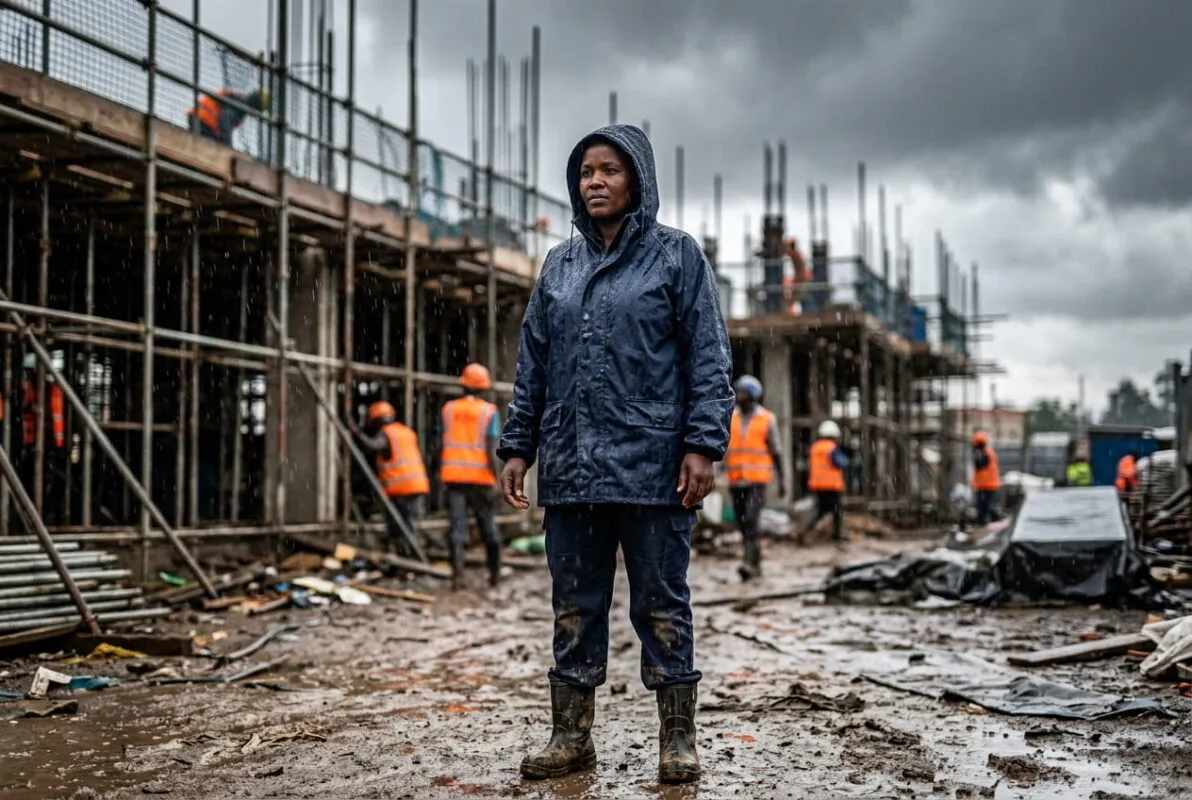
We covered gumboots first because footwear is the item most people forget until the ground is already flooded. Rainwear is the other half of that same problem. Kenya Met’s 24 July 2026 outlook puts the odds of a very strong El Niño at 81 percent this October to December, with above-normal rain across all 47 counties — and a soaked jacket or a rainsuit that leaks at the seams is a productivity problem on any site, not just a comfort one.
In short: for general outdoor and warehouse work, a lined Oxford raincoat covers most needs. For sites where visibility matters as much as staying dry — roadwork, warehouse yards with moving vehicles, low-light shifts — the reflective hi-vis raincoat is the safer buy. Riders and delivery staff need a two-piece suit built for being on a bike in the rain, not a coat. And anyone spraying chemicals or working in agriculture needs a sprayer suit rated for that specific job, not general rainwear repurposed for it. All of this is in stock in Nairobi now.
Why this is worth sorting before the rains arrive
The same forecast that makes gumboots urgent applies here: rain reaches Western Kenya and the Rift Valley from late September, Nairobi and the coast through October, and the south-east by late October. A crew working through that without proper rainwear either stops working when it rains or works wet, and neither is good for a business that bills by the job. Getting rainwear sorted in September, while stock is full and before every other site manager in Nairobi is placing the same order, is simply the easier way to do this.

The four types we stock, and who each one is actually for
Oxford lined raincoat
A PU knee-length raincoat with an inner lining and attached hood, in navy blue, sizes S/M/L/XL. This is the general-purpose option — office staff moving between buildings, warehouse workers, anyone who needs to stay dry without wearing something built for a specific hazard. We also stock the same coat in a high-visibility version with 5cm silver reflective tape (PROTECTA 31HV) for anyone who needs both dry and seen.
Two-piece PVC rainsuit
PROTECTA 2122: a hooded jacket and elasticated trousers with fully welded seams, which is what actually makes a rainsuit waterproof rather than just water-resistant — a stitched seam is a row of needle holes, a welded one isn’t. PVC snap-on fasteners at the front, sleeves and ankles. This is the suit for anyone standing in sustained rain rather than walking through it — security staff, outdoor labourers, anyone on site for a full wet shift.
Padded rider suit
A two-piece suit in PU Oxford fabric with reflective bands, a padded and lined jacket, and an attached hood, in navy blue. Built for motorcycle riders and delivery staff who need to stay dry while moving at speed in traffic — the reflective bands matter here as much as the waterproofing does, given how much boda boda and delivery traffic in Nairobi runs through the rainy season regardless of conditions.
Sprayer waterproof suit
Available as a one-piece or two-piece suit, with or without inner lining, in fabric resistant to the cuts and nicks common when spraying in confined spaces. This is a different job to general rainwear — agricultural spraying work needs a suit rated for that specific hazard, not a rainsuit borrowed from a construction site. We also stock a lined overalls version of the same suit for colder, wetter conditions.
Getting the fit right
The Oxford raincoat runs S/M/L/XL against normal clothing sizes — if it’s going over a jacket or thick layers underneath, size up. The rainsuits and sprayer suits are designed to be worn over normal work clothing as an outer layer, so they run looser by design; check with us on sizing before a bulk order rather than guessing from a normal clothing size chart.
Making rainwear last through the season
PVC and PU both degrade faster in direct sun than in rain, the same as gumboots — storing wet-weather gear outside in full sun between shifts is what actually shortens its life, not the rain itself. Let a wet coat or suit dry somewhere with airflow rather than folding it away damp, since trapped moisture breaks down the lining and encourages mildew. A welded-seam rainsuit that’s looked after should last multiple rainy seasons; one left balled up wet in a site container usually won’t.
Ordering for a site or a workforce
We handle bulk orders across sizes and can put together a request for quote scoped to your team size and the actual conditions people are working in, rather than a flat price list. Given the forecast timeline, getting that order in during September avoids competing for stock with everyone else once the rain has already started.
Frequently asked questions
What’s the difference between a raincoat and a rainsuit?
A raincoat covers the upper body and is meant for moving between places or short exposure to rain. A rainsuit is a full jacket-and-trouser set built for standing or working in sustained rain for a full shift.
Do I need a hi-vis raincoat or is a normal one enough?
If the job involves roadwork, a warehouse yard with moving vehicles, or low-light shifts, the reflective hi-vis raincoat is the safer choice — visibility matters as much as staying dry. For general outdoor or office movement between buildings, a standard lined raincoat is enough.
What should motorcycle riders and delivery staff wear in the rain?
A padded two-piece rider suit built for the job, not a general raincoat — it needs to stay on and stay waterproof while moving at speed in traffic, and the reflective bands matter for visibility to other road users.
Can I use a normal rainsuit for agricultural spraying work?
No — spraying work needs a suit made from fabric resistant to the cuts and nicks common when spraying in confined spaces, which a general PVC rainsuit isn’t built for. Use a dedicated sprayer suit instead.
How do I stop a PVC or PU rainsuit from cracking or leaking?
Keep it out of direct sunlight when not in use and let it dry somewhere with airflow rather than folding it away wet — sun exposure and trapped moisture both degrade the material faster than the rain itself does.
Can Specialised Hardwares supply rainwear in bulk for a company preparing for the rains?
Yes — we deliver in Nairobi and countrywide and can scope a request for quote around your team size and the conditions people actually work in, rather than a flat price list.

What else to check off before the rains hit
Rainwear and footwear cover staying dry. Next in this series: hi-vis vests, for sites where visibility is the bigger concern once daylight shortens and rain reduces it further, and dust masks and respirators to close out the series. If footwear is still on your list, see our gumboots buying guide and our safety boots buying guide.
Browse the full raincoats and waterproof wear range in stock now, or get in touch for a bulk quote scoped to your team before the October rains make it a queue.







Recent Comments