


By Hiren Gohel, Specialised Hardwares
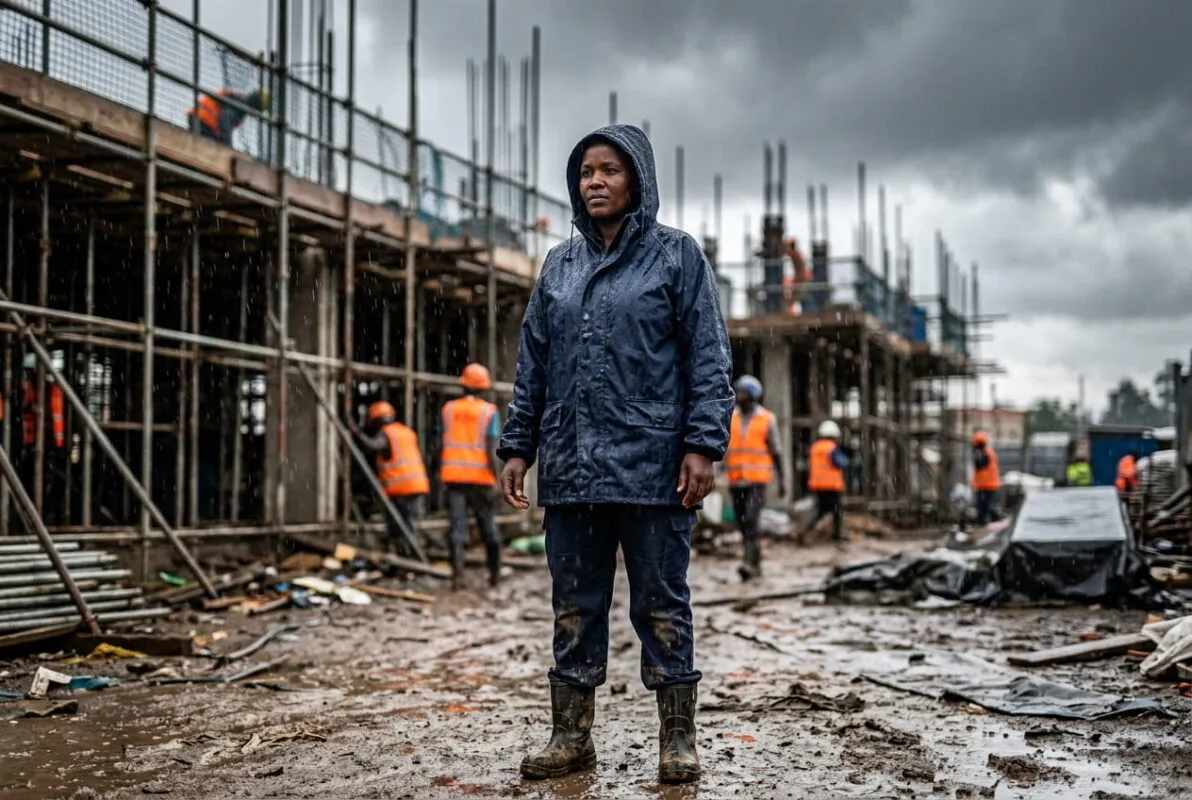
Third in this series, after gumboots and rainwear. Kenya Met’s 24 July 2026 outlook forecasts above-normal rain across all 47 counties from October to December, and rain doesn’t just mean mud and wet clothing — it means shorter daylight, heavier cloud cover, and drivers and machine operators who can see less. A hi-vis vest is the cheapest safety item on this whole list and the easiest one to get wrong by buying whatever’s on the shelf instead of what the job actually needs.
In short: for a quick, low-cost option — visitors on site, a warehouse team, anyone who just needs to be seen — a basic sleeveless hi-vis vest with reflective tape does the job. For staff who carry a phone, radio, pen or ID on their body all day, the executive vest with a front zip and pockets is worth the extra cost, since a vest people find awkward to wear is a vest people stop wearing. For genuinely wet, low-visibility conditions — roadwork, warehouse yards with vehicle movement, early morning or evening shifts once the rains bring cloud cover — the waterproof hi-vis storm suit covers both problems in one item. All of this is in stock in Nairobi.
Why visibility gets worse, not just wetter, once the rains start
The forecast’s staggered timeline — Western Kenya and the Rift Valley from late September, Nairobi and the coast through October, the south-east by late October — brings heavier cloud cover and shorter effective daylight along with the rain itself. A driver’s or forklift operator’s reaction time to a person on foot depends on how early they’re seen, and a rainy, overcast morning cuts that distance well before it starts raining hard enough to notice. Sites that treat hi-vis as a dry-season afterthought are the ones with near-misses once the cloud cover sets in for the season.

The three types we stock, and who each one is actually for
Basic hi-vis vest
A sleeveless vest in luminous knitted polyester with black edge trim and reflective tape, available in yellow, green, orange or red. This is the straightforward, low-cost option for visitors, casual labour, or any team that just needs to be visibly marked on site — no pockets, no fastenings to fuss with, on and off in seconds.
Executive hi-vis vest with zip and pockets
Class 2 rated, 100% polyester, with a front zip rather than the open-sided basic vest, 50mm silver reflective bands (two horizontal, two vertical), an ID holder with a transparent front, a pen pocket, two flap pockets and a dedicated mobile phone or radio flap pocket, all finished with black bound edging. Available in orange and yellow. This is the vest for anyone who’s on site all day and actually needs to carry things — site supervisors, foremen, drivers — where a basic vest with nothing to hold gear would just mean pockets improvised elsewhere.
Waterproof hi-vis storm suit
A full jacket-and-trouser set built for wet, low-visibility conditions rather than dry-weather hi-vis alone. The jacket has a fleece quilted lining for warmth, waterproof stitching with taped seams, a concealed hood, a zipped document pocket and a triple pen division, rated EN471 Class 3. The trousers are 300D polyester with a PU coating, also waterproof with taped seams and an elasticated waist, worn as an oversized over-trouser on top of normal clothing (rated EN471 Class 1) — so size to your normal waist measurement, not to a snug fit. This is the one item on this list built to solve both problems — visibility and staying dry — at once, which makes it the right call for anyone on a wet site through a full shift rather than layering a hi-vis vest under a separate raincoat.
Getting the fit and rating right
Class 2 (the executive and basic vests) is the standard rating for general site and warehouse work. Class 3 (the storm suit jacket) is the higher rating, meant for higher-risk conditions — roadwork, low light, heavier traffic exposure — and is the one to specify if the job or a client contract calls for it by name. The storm suit’s over-trousers run oversized by design since they’re worn over normal work clothing, so order to normal waist size rather than sizing down.
Keeping reflective gear actually reflective
Reflective tape loses effectiveness with repeated washing, abrasion and prolonged sun exposure long before the fabric itself wears out — a vest that still looks fine in daylight can already be far less visible under headlights at night or in heavy rain. Check reflective bands for cracking, peeling or dulling each season rather than assuming a vest is fine because it isn’t torn, and replace on that basis rather than waiting for visible damage to the fabric.
Ordering for a site or a workforce
We handle bulk orders across all three types and can put together a request for quote scoped to your headcount and the ratings your site or contract actually requires, rather than a flat price list. As with rainwear and gumboots, ordering ahead of the October rains means better stock availability than waiting until visibility is already a live problem on site.
Frequently asked questions
What class of hi-vis vest do I need for a construction site in Kenya?
Class 2 covers most general site and warehouse work. Class 3 is the higher rating for higher-risk conditions like roadwork, low light or heavier traffic exposure — check if your site or client contract specifies a class before ordering.
What’s the difference between the basic vest and the executive vest?
The basic vest is a simple sleeveless vest with reflective tape, no pockets or fastenings — quick to put on and take off. The executive vest adds a front zip, an ID holder, a pen pocket, two flap pockets and a dedicated phone or radio pocket, aimed at staff who need to carry gear all day rather than just be visibly marked.
Do I need a waterproof hi-vis suit or is a normal vest enough once it rains?
If the job means a full wet shift outdoors in low-visibility conditions — roadwork, a warehouse yard with vehicle movement, early or late shifts once cloud cover sets in — the waterproof storm suit covers both problems at once. A normal vest still works for shorter exposure or drier, better-lit conditions.
How do I know if my hi-vis vest still meets its rating?
Check the reflective bands for cracking, peeling or dulling each season — the tape loses effectiveness well before the fabric visibly wears out, so a vest that looks intact in daylight can already be underperforming at night or in rain.
Why does visibility gear matter more once the rains start?
Rain brings heavier cloud cover and shorter effective daylight, which cuts the distance at which a driver or machine operator sees a person on foot — before it’s even raining hard enough to notice. Sites that treat hi-vis as dry-season-only tend to see more near-misses once the cloud cover sets in.
Can Specialised Hardwares supply hi-vis gear in bulk before the rains?
Yes — we deliver in Nairobi and countrywide and can scope a request for quote around your headcount and the ratings your site actually requires, rather than a flat price list.

What else to check off before the rains hit
This is the third of four in the series: gumboots for footwear, rainwear for staying dry, hi-vis for staying visible once the cloud cover sets in, and dust masks and respirators to close it out. If your site runs all three risks together — mud, rain and low visibility — the waterproof hi-vis storm suit above is worth pricing alongside a pair of our safety gumboots as a single wet-weather kit.
Browse the full hi-vis vests and clothing range in stock now, or get in touch for a bulk quote scoped to your team before the October rains make it a queue.







Recent Comments