


Related posts
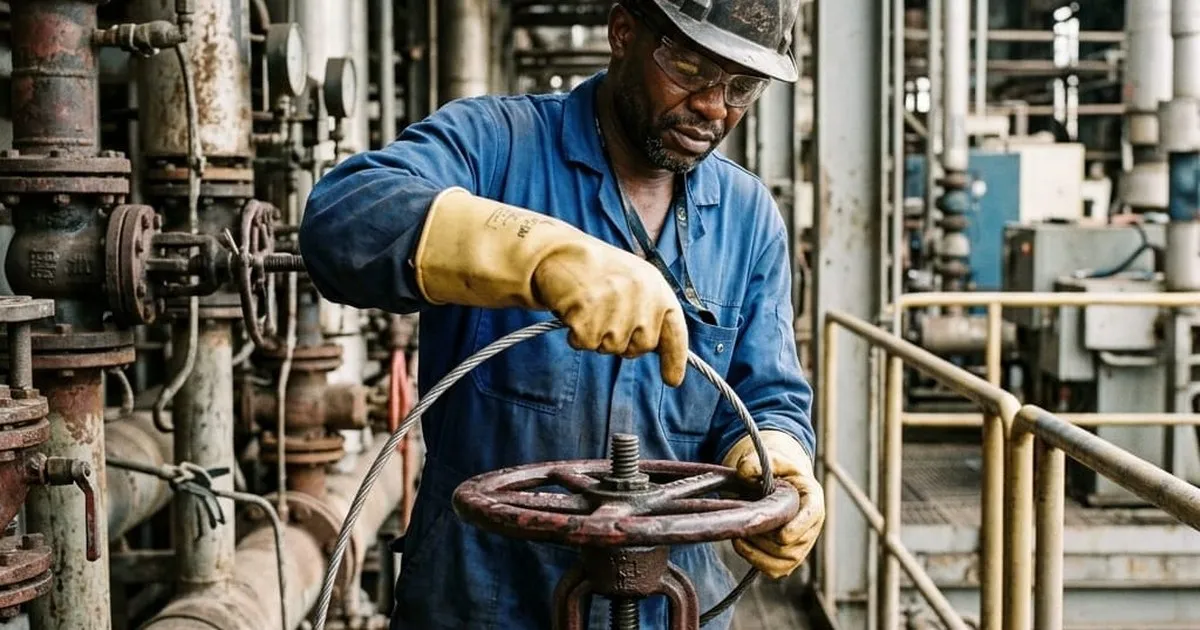
Cable Lockout, Valve Lockout and Electrical Insulating PPE for Live Working in Kenya
Not every isolation point is an electrical breaker. Pipework, valves and multi-point mechanical systems need their own lockout hardware...
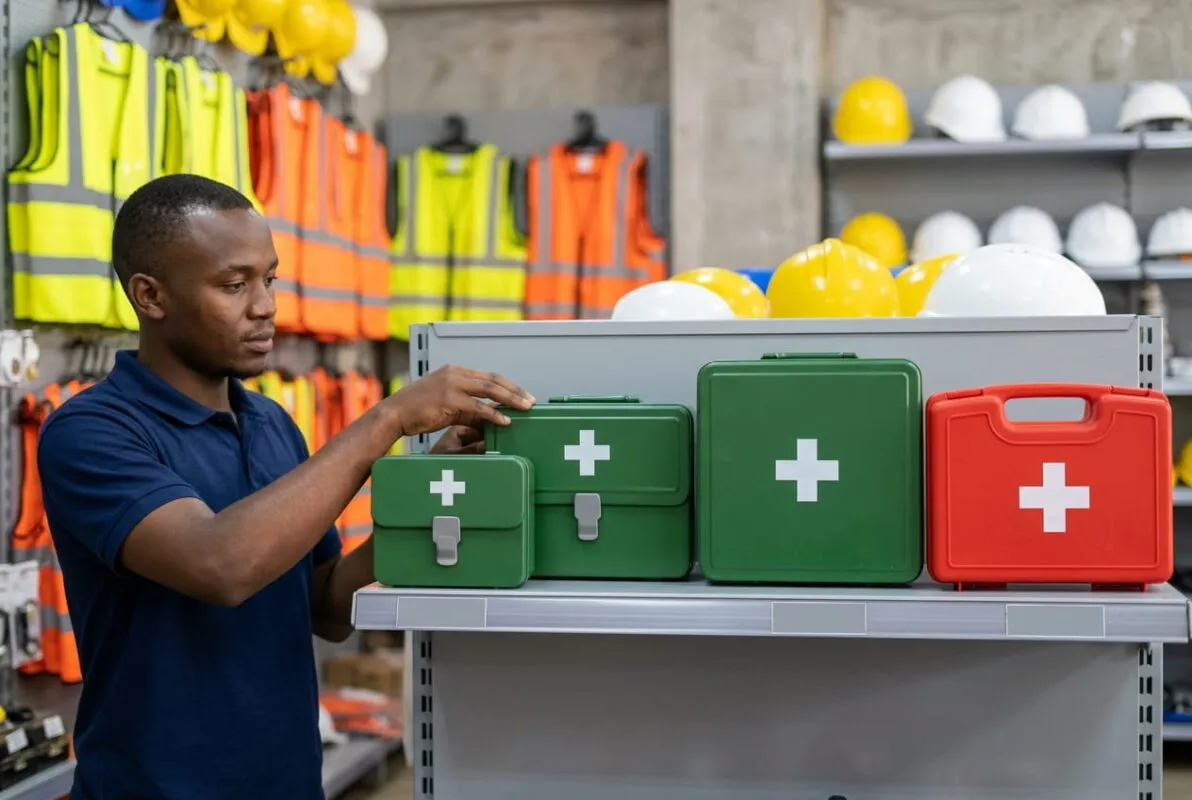
First Aid Kits in Kenya: What the Law Now Requires, and Which Size to Buy
Kenya updated its workplace first aid rules in 2023 — here is what they actually require, and which first aid kit size fits your headcount, in stock in Nairobi.
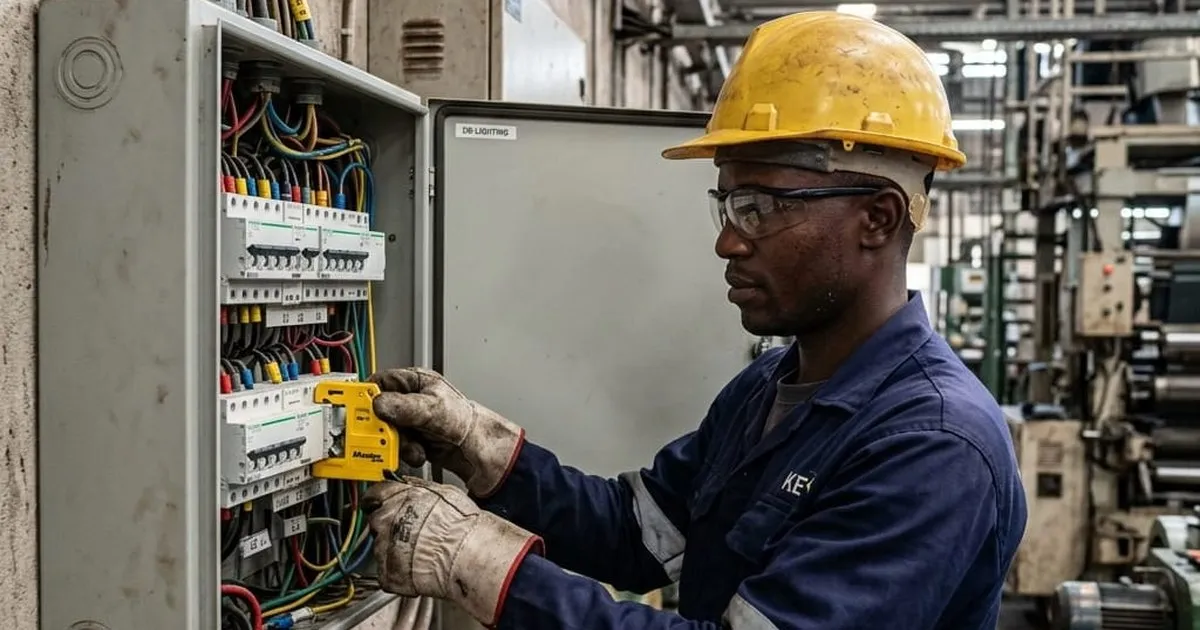
Electrical Lockout Devices for Breakers, MCBs, MCCBs and Plugs
Section 57 of the Occupational Safety and Health Act 2007 requires transmission machinery to have "efficient devices" for prompt discon...

Dust Masks and Respirators in Kenya: FFP2, FFP3 and Which One Actually Fits the Job
Which dust mask or respirator to buy in Kenya - disposable, FFP2, FFP3, welding-specific or hygiene masks. In stock in Nairobi.

Hi-Vis Vests in Kenya: Which One to Buy Before the Rains
Which hi-vis vest to buy for Kenya rainy season - basic, executive with pockets, or waterproof storm suit. In stock in Nairobi.
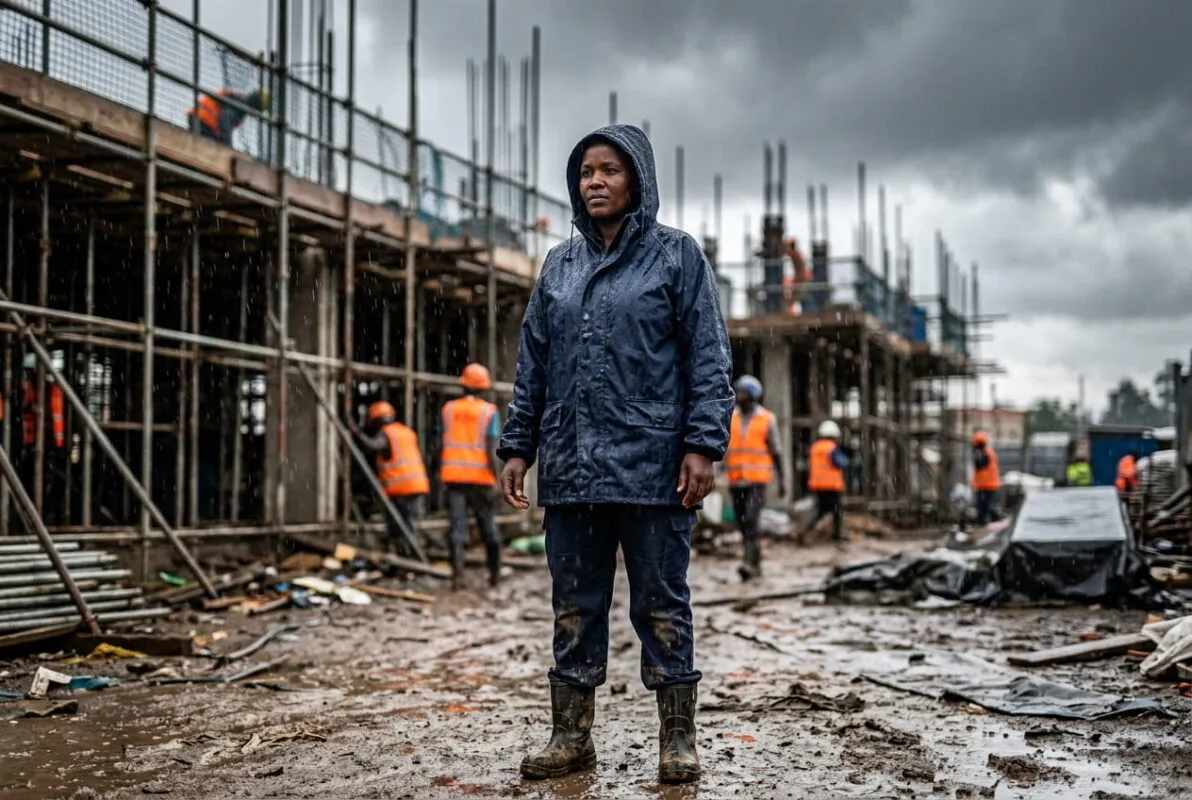
Rainwear in Kenya: Raincoats, Rainsuits and Rider Suits Buying Guide
Which rainwear to buy for Kenya rainy season - Oxford raincoats, PVC rainsuits, rider suits and sprayer suits. In stock in Nairobi.

Gumboots in Kenya: The Complete Buying Guide
Which gumboots to buy in Kenya for the forecast El Nino rains — PVC, industrial or steel-toe safety rated, sized right and looked after so they last the season.
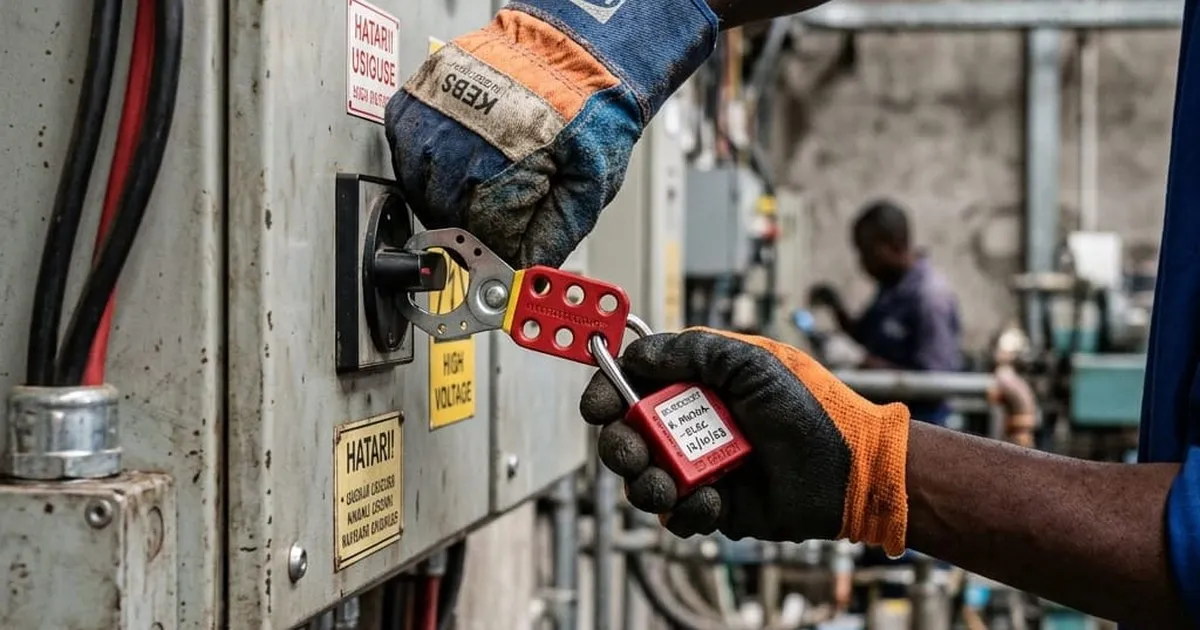
Lockout Padlocks Explained: Keyed-Alike, Keyed-Different and Non-Conductive Options
Lockout padlocks come in two working configurations that solve different problems — keyed-alike, where one key opens every padlock in a...
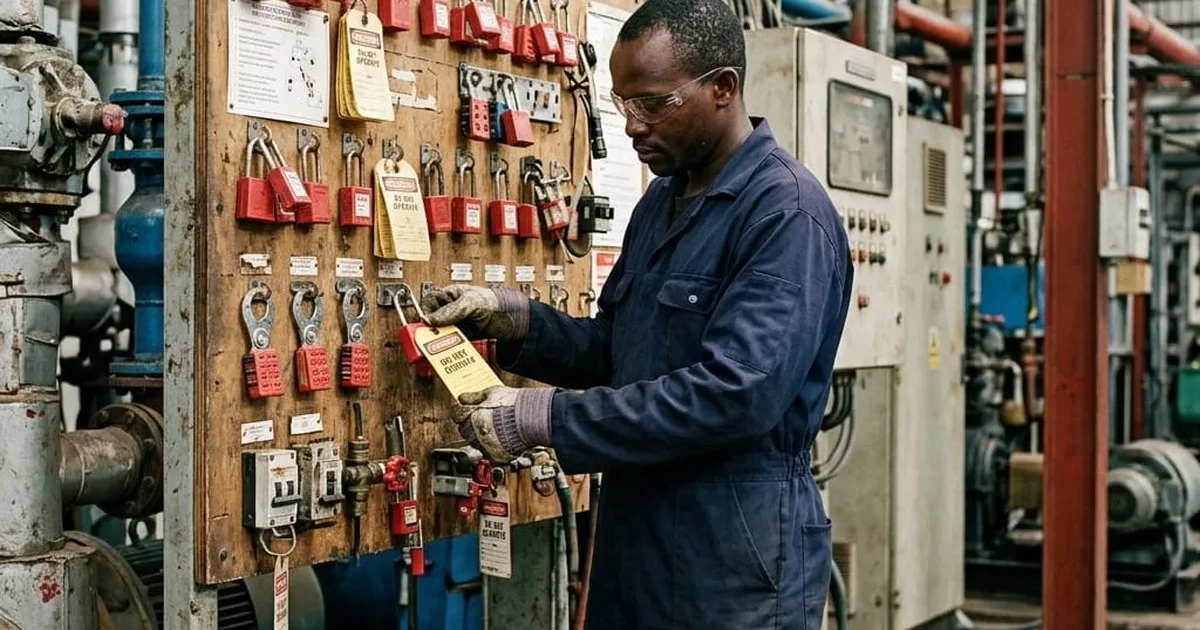
Lockout Tagout Stations and Tags: Organising a Kenyan LOTO Programme
A lockout-tagout (LOTO) programme needs three things working together: a padlock to physically isolate the energy source, a tag to say ...

Respiratory Protection and Fit Testing in Kenya: What Employers Need to Know
A respirator only protects if it actually seals against the face. Here's why fit testing matters and how qualitative fit test kits work.

Traffic Cones and Road Safety Equipment for Kenyan Worksites: A Buyer’s Guide
Choosing the right traffic cones and road safety equipment for construction sites, warehouses and roadworks in Kenya — sizing, visibility and where to buy.
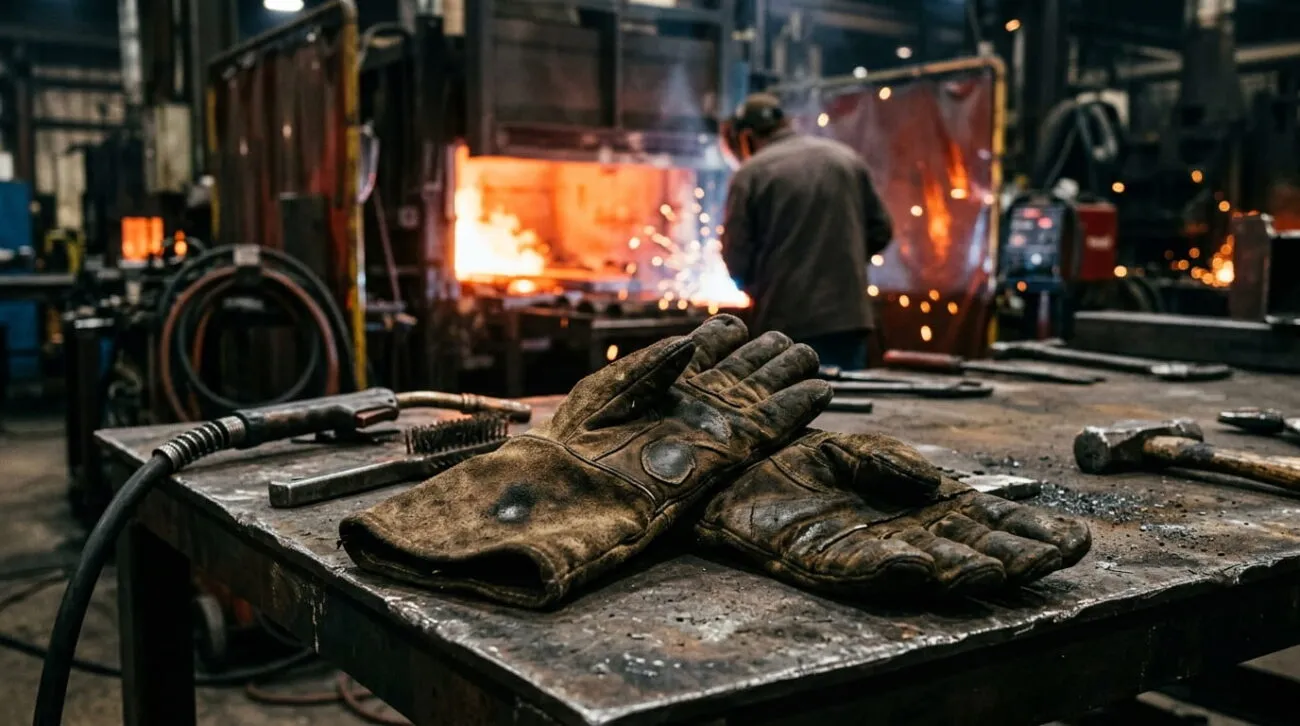
Heat-Resistant Gloves: How to Choose the Right Protection Level
Heat-resistant gloves aren't one-size-fits-all — welding, furnace work and hot surface handling all need different protection. Here's how to choose correctly.

Recent Comments