


Kenya’s fire safety law doesn’t leave the annual audit as a vague good idea — it’s a specific, named legal requirement with its own rule number, and skipping it isn’t a paperwork oversight, it’s non-compliance.
In short: Rule 36(1) of the Factories and Other Places of Work (Fire Risk Reduction) Rules, 2007 requires every occupier to have a fire safety audit of the workplace carried out at least once every twelve months, by an approved fire auditor, at the occupier’s own cost (Rule 36(2)), with a copy submitted to the Director within fourteen days of the audit (Rule 36(3)).
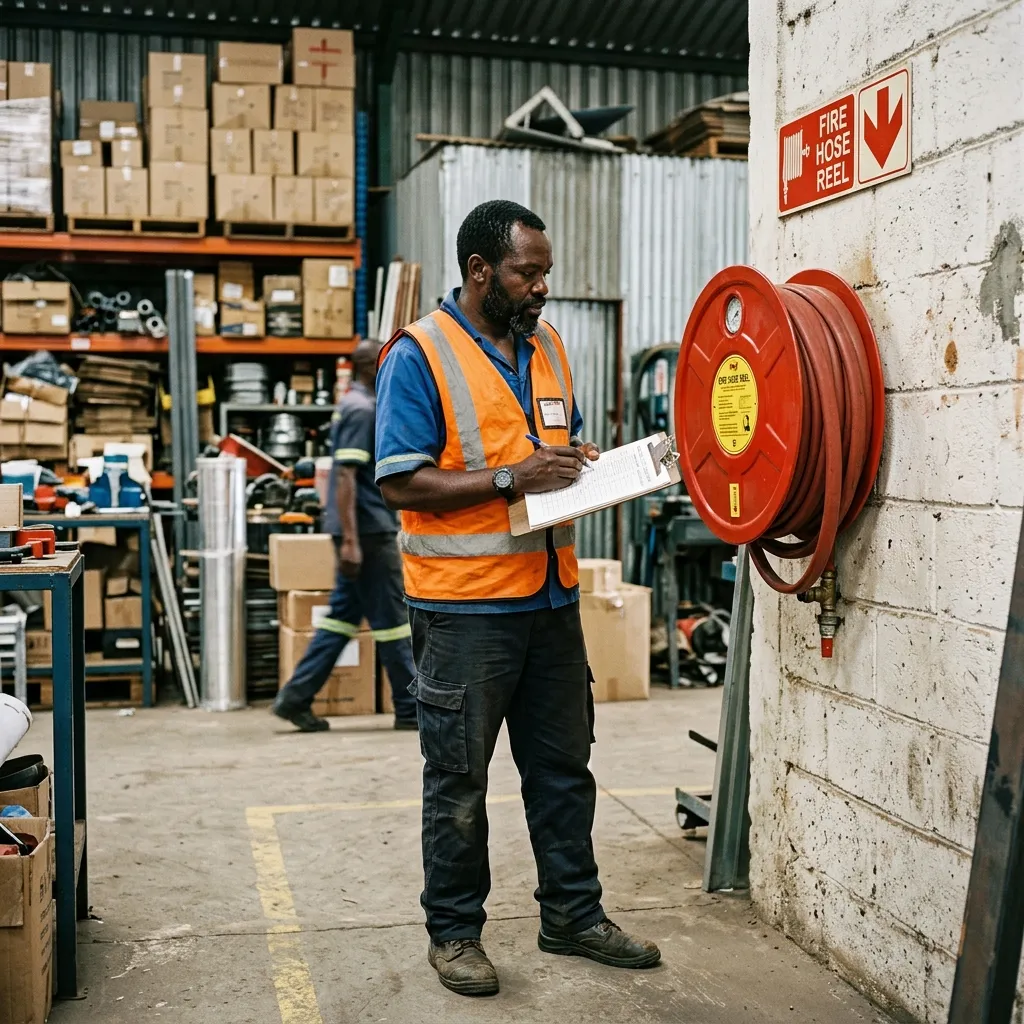
What “approved fire auditor” actually means
Rule 36(1) specifically requires an approved fire auditor — not just any safety consultant or internal staff member. This is a distinct qualification from the fire-fighting team training covered elsewhere in the same regulations. If you’re arranging your first audit, confirming the auditor’s approval status is worth doing upfront rather than after the audit is done.
What a fire safety audit actually checks
While the regulation doesn’t publish a single fixed checklist, a fire safety audit under these rules would reasonably be expected to cover the areas the same regulation addresses elsewhere: firefighting equipment and its twelve-month inspection status (Rule 30), fire hose reel coverage (Rule 29), assembly points (Rule 24), emergency exit width and access (Rule 17), and fire-fighting team training records (Rule 21). An audit is really a check against the workplace’s own compliance with these specific rules, not a generic walkthrough.
What happens to the results
Rule 36(3) requires the auditor to submit a copy of the audit to the Director within fourteen days of the audit date. This isn’t just an internal record — it’s a regulatory submission, which means the audit findings are on file with the relevant authority, not just sitting in a folder at the workplace.
Who pays, and why that matters for planning
Rule 36(2) is explicit that the cost of the audit is paid by the occupier. Since this is an annual, cost-bearing legal obligation rather than an optional service, it’s worth budgeting for it the same way as any other recurring compliance cost, rather than treating it as a discretionary spend that can slip a year.
What tends to fail an audit
Based on what the regulation actually requires elsewhere, the most common gaps are predictable: firefighting equipment that hasn’t had its twelve-month inspection (Rule 30(2)(a)), hose reel coverage that doesn’t actually reach 30 metres in practice once real floor obstructions are accounted for (Rule 29(4)), and fire-fighting team members who haven’t completed training within three months of appointment (Rule 21(4)). All three are fixable well before an audit if checked in advance.
Frequently asked questions
How often is a fire safety audit legally required in Kenya?
At least once every twelve months, under Rule 36(1) of the Fire Risk Reduction Rules, 2007.
Who pays for a fire safety audit in Kenya?
The occupier, under Rule 36(2) — it’s not a cost the auditor or a third party absorbs.
Does the fire safety audit report go anywhere beyond the workplace?
Yes — Rule 36(3) requires the auditor to submit a copy to the Director within fourteen days of the audit.
Can any safety consultant carry out a fire safety audit?
No — Rule 36(1) specifically requires an approved fire auditor, which is a distinct qualification worth confirming before booking an audit.
Before your next audit, check your equipment against our guides to fire hose reel coverage and the 12-month equipment inspection rule. Also see our guide to fire assembly points and emergency exits.
Browse our Fire Division range, or get in touch if your audit has flagged equipment that needs replacing.












Recent Comments