


Rope Access Equipment: Ascenders, Descenders and Rope Grabs Explained
Going up, coming down, and staying attached while you move are three different jobs, each with its own device and rope diameter.

Fall Arrest vs Restraint Lanyards: What’s the Difference in Kenya
Two lanyards can look identical and be built for completely different situations. The energy absorber is what separates EN 354 from EN 355.
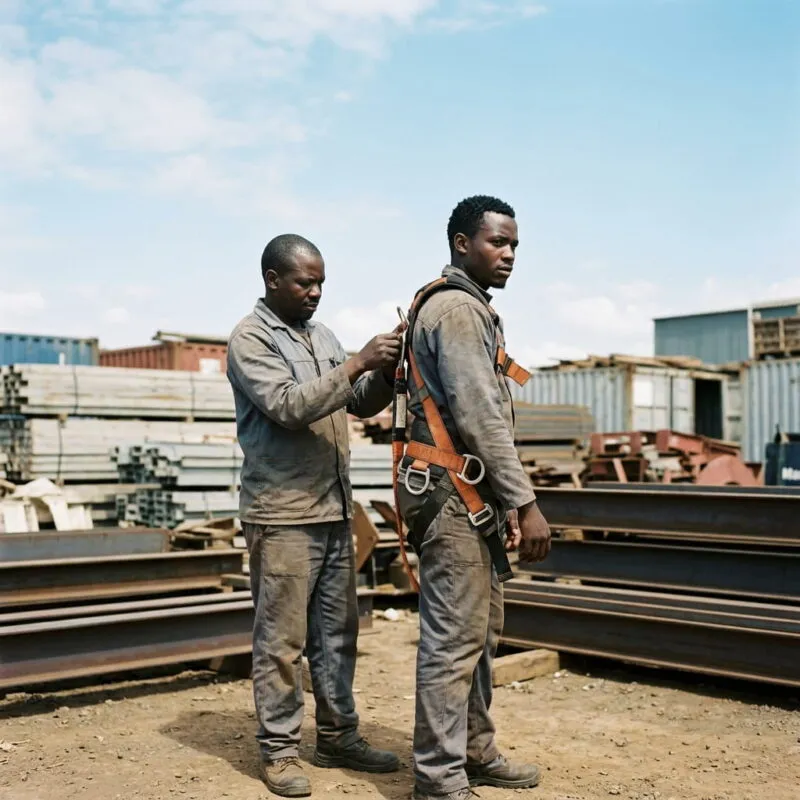
Safety Harness Types in Kenya: 1-Point vs 3-Point vs 5-Point Explained
A safety harness isn't one product. The number of D-rings decides what work it's actually rated for, from basic fall arrest to rope access.

Fire Assembly Points and Emergency Exits: What Kenyan Workplaces Are Required to Have
Kenyan law requires a designated fire assembly point and a minimum 90cm emergency exit width in every work room.

Firefighting Equipment Inspection: The 12-Month Rule Most Businesses Miss
Buying fire safety equipment is only half the job. Kenyan law sets an ongoing 12-month inspection requirement too.

The Annual Fire Safety Audit in Kenya: What It Covers and Who Can Do It
Kenya requires an annual fire safety audit by an approved auditor, submitted to the Director. Here is what it actually checks.
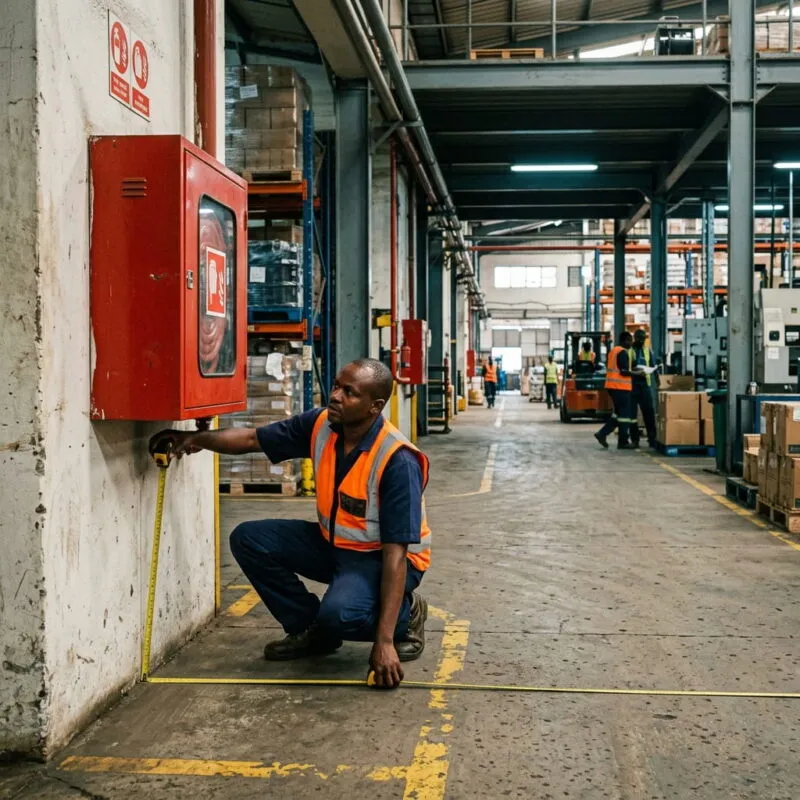
Fire Hose Reel Coverage: What Kenya’s 30-Metre Rule Means for Your Building
Kenyan law requires a fire hose reel within 30 metres of any point in the workplace. Here is how to check your building actually meets it.

Fire Hose and Nozzle: What a Kenyan Fire Hydrant System Actually Needs
A landing valve alone does not put out a fire. Here is how hose, nozzle and valve have to match to work as one system.
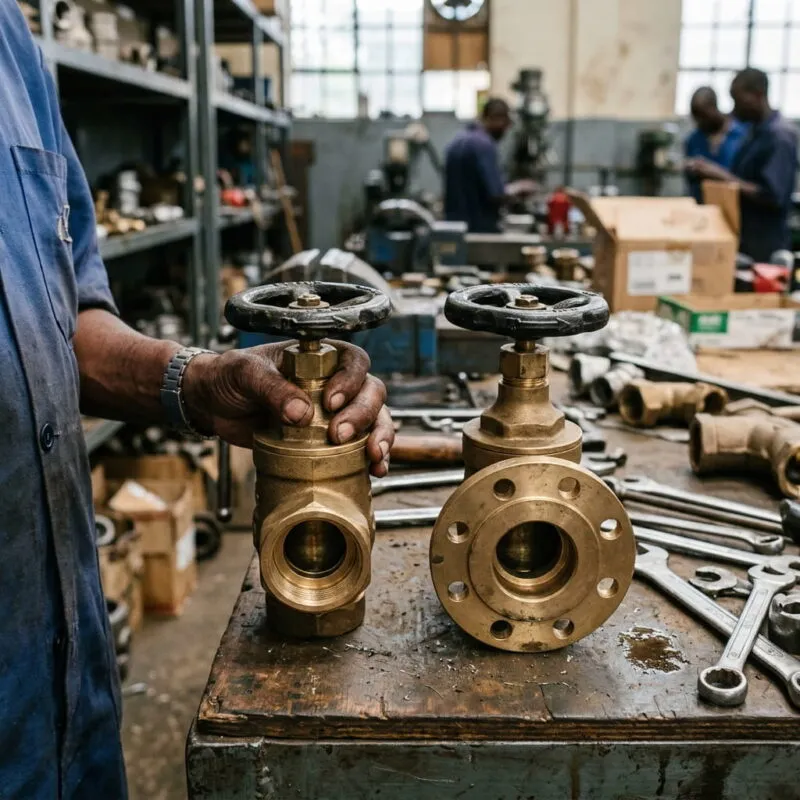
Fire Hydrant Landing Valves in Kenya: Screwed vs Flanged (BS5041 Explained)
A screwed and a flanged landing valve are not interchangeable. Here is how to tell which one your building actually needs.

First Aid Cover for Multi-Site Businesses in Kenya
A company is not one headcount for first aid purposes - each site or branch is its own band. Here is how to assess and order across several locations at once.
