


Fall Arrest vs Restraint Lanyards: What’s the Difference in Kenya
Two lanyards can look identical and be built for completely different situations. The energy absorber is what separates EN 354 from EN 355.

Fire Assembly Points and Emergency Exits: What Kenyan Workplaces Are Required to Have
Kenyan law requires a designated fire assembly point and a minimum 90cm emergency exit width in every work room.

The Annual Fire Safety Audit in Kenya: What It Covers and Who Can Do It
Kenya requires an annual fire safety audit by an approved auditor, submitted to the Director. Here is what it actually checks.

Fire Hose and Nozzle: What a Kenyan Fire Hydrant System Actually Needs
A landing valve alone does not put out a fire. Here is how hose, nozzle and valve have to match to work as one system.

First Aid Cover for Multi-Site Businesses in Kenya
A company is not one headcount for first aid purposes - each site or branch is its own band. Here is how to assess and order across several locations at once.

How Often to Check and Restock a Workplace First Aid Kit
The law sets what has to be in a first aid box - not how often to check it. Here is a practical restocking routine, and what tends to run out first.

Industrial Power Tools: Balancing Force with Precision in Kenya’s Workshops
Ensure efficiency and precision in your Kenyan facility. From impact wrenches to high-grade grinders, explore how to choose the right industrial power tools from Specialised Hardwares Limited.
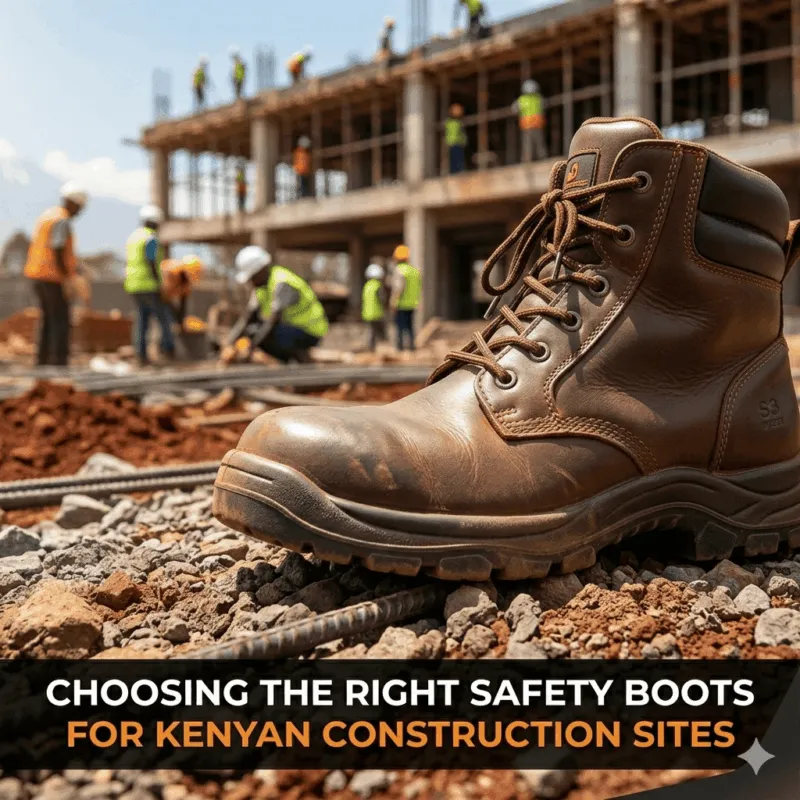
Step by Step: Choosing the Right Safety Boots for Kenyan Construction Sites
Protect your foundation. Discover the essential guide to choosing safety boots in Kenya, from S3 ratings to steel vs. composite toes for maximum site safety.
